01 / 03
Welding inspection
Certified VT Level 2 visual testing of welds, pipes and fabricated products, with documented findings against the applicable acceptance criteria.
Explore VT scopeInsulation inspection by FROSIO Level III inspectors, visual weld inspection by VT Level 2 personnel, and coating quality control. Based in Klaipėda, Lithuania.
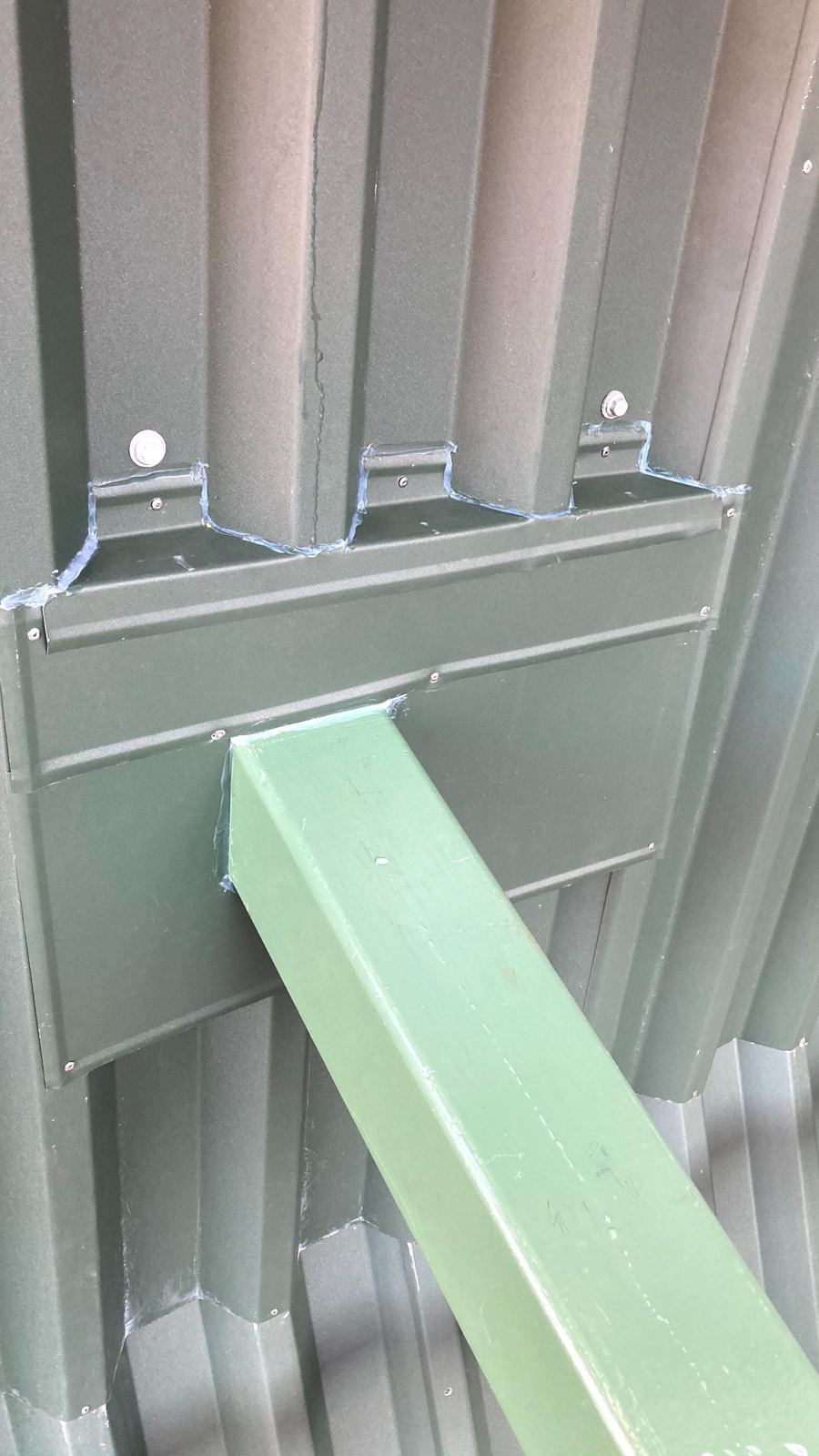 Södra Cell Mörrum · Project photo
Support for contractors and project teams who need clear findings, traceable records and work that holds up at handover.
Certified VT Level 2 visual testing of welds, pipes and fabricated products, with documented findings against the applicable acceptance criteria.
Explore VT scopeInspection across specified insulation classes: LNG and cold service, hot piping, acoustic and fire protection, including combined systems.
Explore inspection scopeSurface preparation, application conditions, coating records and final acceptance.
Our team includes Rodion Pančenko-Gorodenskij, certified for visual testing (VT), Level 2, under EN ISO 9712. He can inspect visible weld quality and other products within the sectors listed on his certificate, before and during manufacturing and while equipment is in service.
Visual checks of accessible joint preparation, alignment, fit-up and visible weld passes at the inspection stages defined in the project plan.
Visual examination of accessible weld surfaces and adjacent material for visible discontinuities, profile, dimensions and workmanship against the approved criteria.
Identify inspected locations, record observations and photographs, report nonconformities and verify visible repairs where required by the inspection plan.
Certificate scope: industrial sector MS, including pre-service and in-service testing and manufacturing.
We inspect the full range of insulation classes specified for a project, following the approved IPS, drawings, applicable standards and acceptance criteria. Our experience spans LNG cold insulation, hot pipework, acoustic insulation, passive fire protection and combined systems.
Discuss your inspection scopeVapour barrier continuity, sealed joints, supports, penetrations and protection against moisture ingress.
Material and thickness, expansion allowances, cladding, weather seals and drainage.
Approved layer build-up, interfaces, removable boxes and class-specific installation details.
We work with isometric drawings, P&IDs, 3D models, Navisworks and ECHO to trace line numbers, insulation classes and installation details before and during site inspection.
Typical checks cover material traceability, coating and heat-tracing interfaces, vapour barriers, overlaps, penetrations, drainage, removable boxes and final records. Findings are recorded clearly for repair and handover.
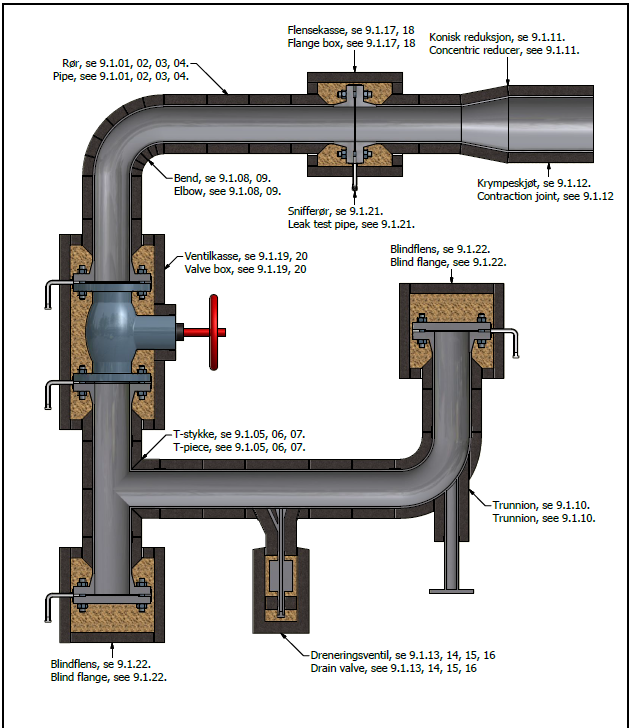
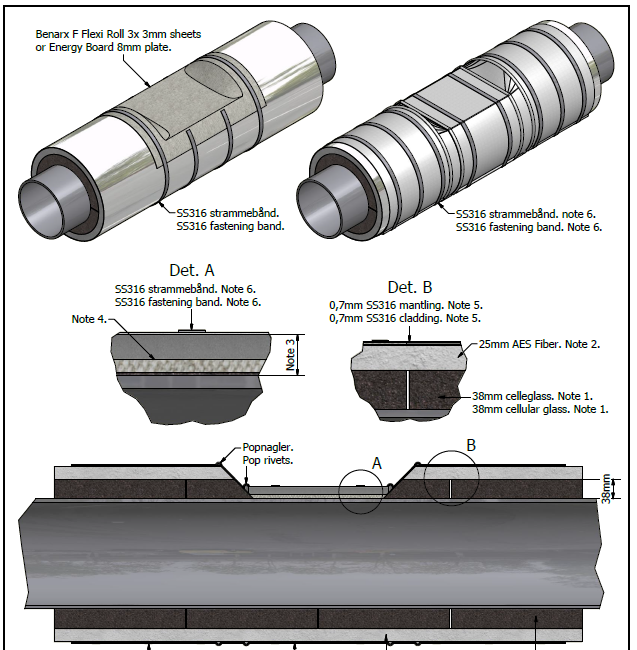
Experience includes work on projects involving Equinor (formerly Statoil), Shell, Aker Kværner and Aibel. Project-specific approved documents govern each inspection; the diagrams above are illustrative training examples.
View more insulation detailsTwo FROSIO Level III insulation inspectors on our team, supported by documented quality management training.
FROSIO · Certificate No. 15129
Certified Insulation Inspector, Level III. Certificate valid from 24 April 2025 to 24 April 2030.
Open certificate (PDF)FROSIO · Certificate No. 15141
Certified Insulation Inspector, Level III. Certificate valid from 29 April 2025 to 29 April 2030.
Enquire about insulation inspectionTÜV NORD · Certificate No. 35409009 04
Aleksandr Dudko successfully completed the PR328 Quality Management Systems Lead Auditor training course and assessments, 6–10 October 2025. The course is CQI and IRCA certified.
Open course certificate (PDF)Corrosion under insulation (CUI) can remain hidden while moisture reaches the pipe. Hot lines are vulnerable when water enters through damaged cladding, poorly sealed details or unprotected penetrations, especially through wet and dry operating cycles. Pipe condition matters to the reliability and safe operation of the whole system.
SINTEF reports that maintenance related to CUI costs Norway more than NOK 1 billion annually across the affected industries. This is an industry-wide figure, not a forecast for an individual company or a claim that every repair results from a missed IPS detail.
Read the SINTEF research summary ↗For new systems, we help specify and inspect the approved protective coating, insulation materials, dry installation, weather-tight cladding, correctly located drainage and access for future inspection. We check vulnerable supports, valves, penetrations and terminations against the project IPS and approved drawings.
These controls are intended to reduce water ingress, preserve the pipe and avoid preventable rework. Continued condition monitoring and maintenance remain essential throughout the asset’s life.
Ask for an IPS and inspection planInsulation protects equipment only while the complete system is kept in good condition. These are the linked risks we help clients recognise and manage.
Loose cladding, failed seals, exposed penetrations or poorly designed drainage can let rain or wash water into the insulation. Wet areas may remain hidden beneath the outer jacket.
Depending on the material and service, wet insulation can lose thermal performance. More heat may escape from hot lines, while cold systems may face condensation or icing problems.
Trapped water can attack the pipe beneath the insulation. By the time staining or damage becomes visible outside, closer inspection and removal of affected sections may be needed.
If damage progresses, a company may need access, removal, coating repair, replacement insulation and further pipe checks. Severe cases can involve leaks and unplanned downtime.
We review the project IPS and drawings, inspect cladding, seals, drains and vulnerable details, record defects and help plan corrective work. If pipe integrity is in question, the client should arrange the appropriate specialist assessment, including NDT where required.
Our team includes two FROSIO Level III insulation inspectors, Aleksandr Dudko and Anton Azarov. We read the approved IPS and drawings, check the details on site and give the client a clear record of findings and recommended actions.
For an inspection or a new system, we can also prepare project-specific insulation documentation to guide installation and future maintenance.
Discuss your insulation systemIllustrative photographs of corroded pipe surfaces from Wikimedia Commons. They are not photographs of our projects and do not establish that either pipe was insulated.
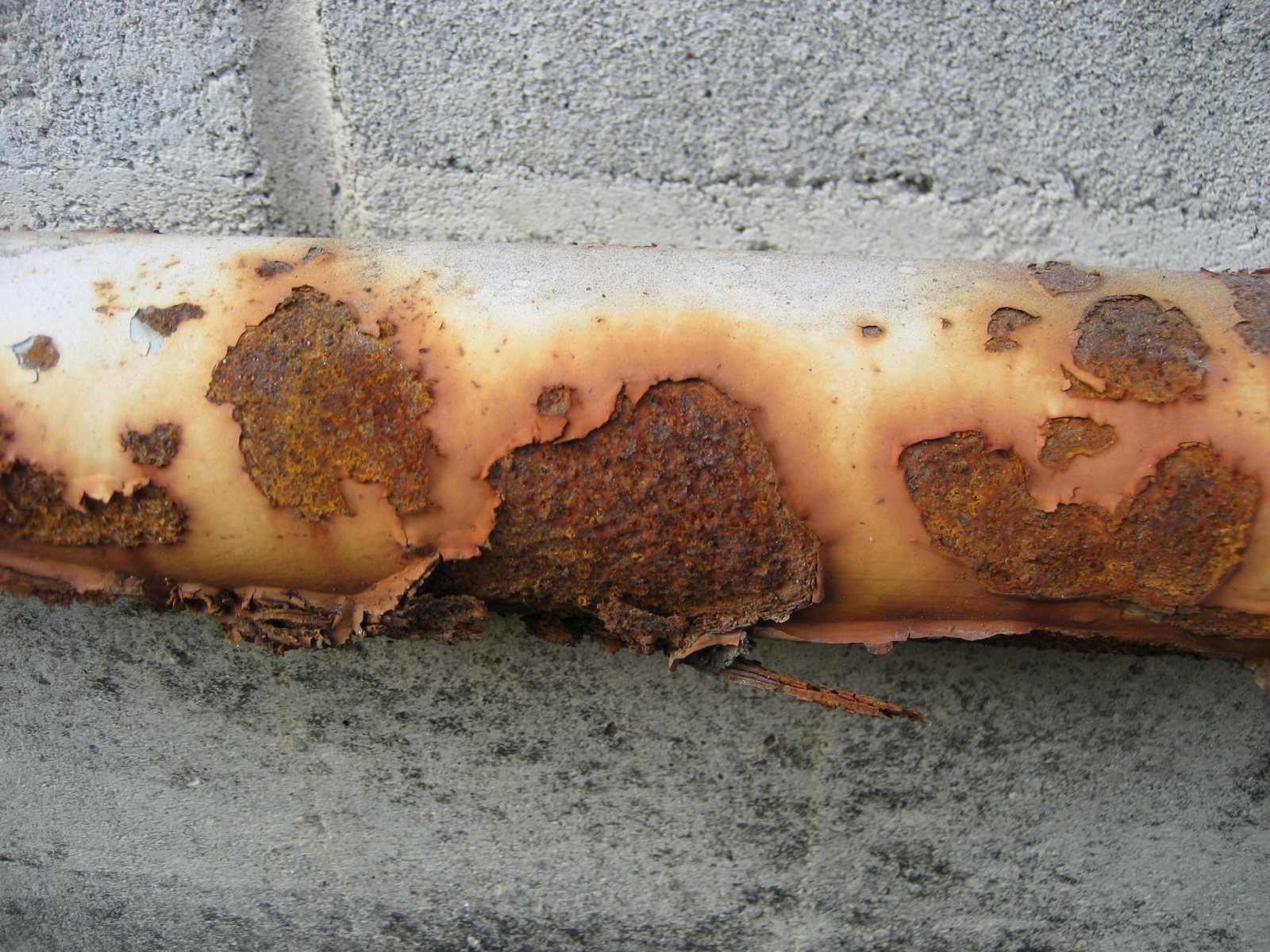
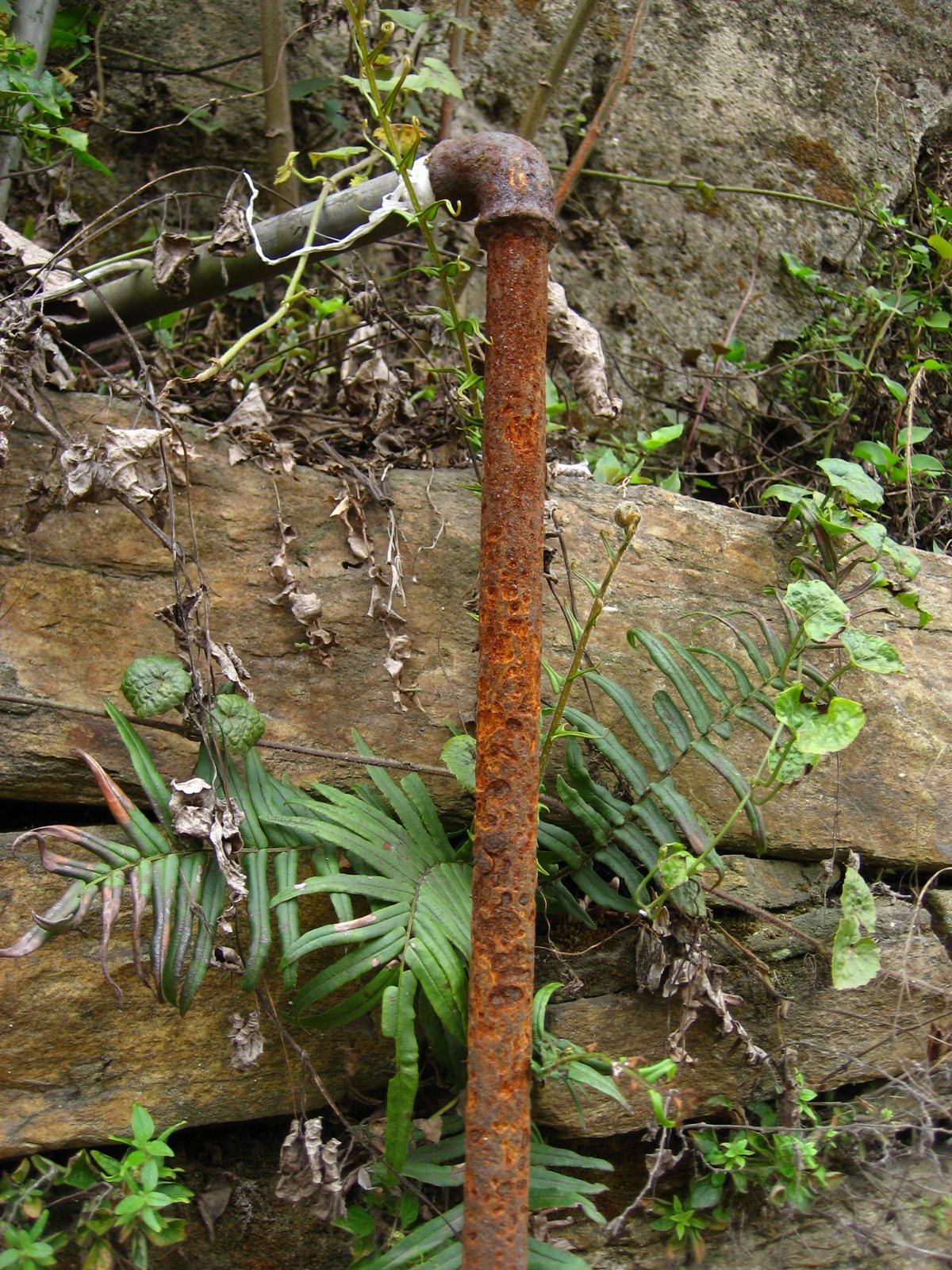
In a documented UK plant case, HSE attributed five hydrocarbon leaks to CUI, including a leak from an insulated pipe operating at 115°C. This illustrates why installation quality must be followed by planned inspection and maintenance.
We take on insulation work of any complexity and prepare the calculations and documentation companies need to build, inspect and maintain it.
For refineries, LNG facilities and other industrial plants, we survey hot and cold insulated lines. We assess cladding, seals, drainage, supports and insulation condition; identify locations at risk of corrosion under insulation (CUI); and review thermal performance and potential heat loss on hot lines or condensation and icing risks on cold lines.
You receive a documented report with photographs, line or area references, findings, recommended follow-up checks and repair priorities. Where pipe metal condition cannot be confirmed visually, we identify locations for controlled insulation removal and the appropriate coating, corrosion or NDT specialist assessment. Thermal losses can be quantified when operating data and an agreed measurement method are available.
Request a pipework audit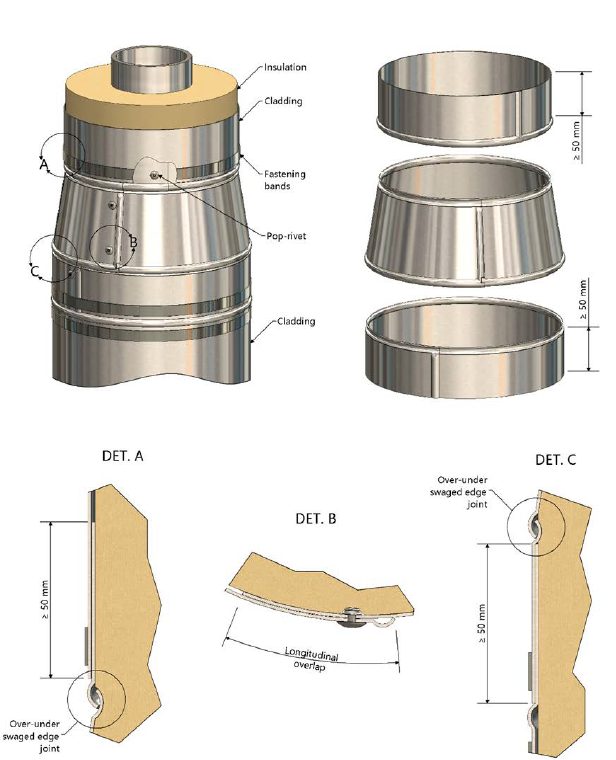
We review drawings, line lists, temperatures and project requirements; calculate insulation quantities and suitable thicknesses; select the proposed insulation system and materials; and provide the client with a documented calculation and material take-off.
Request calculations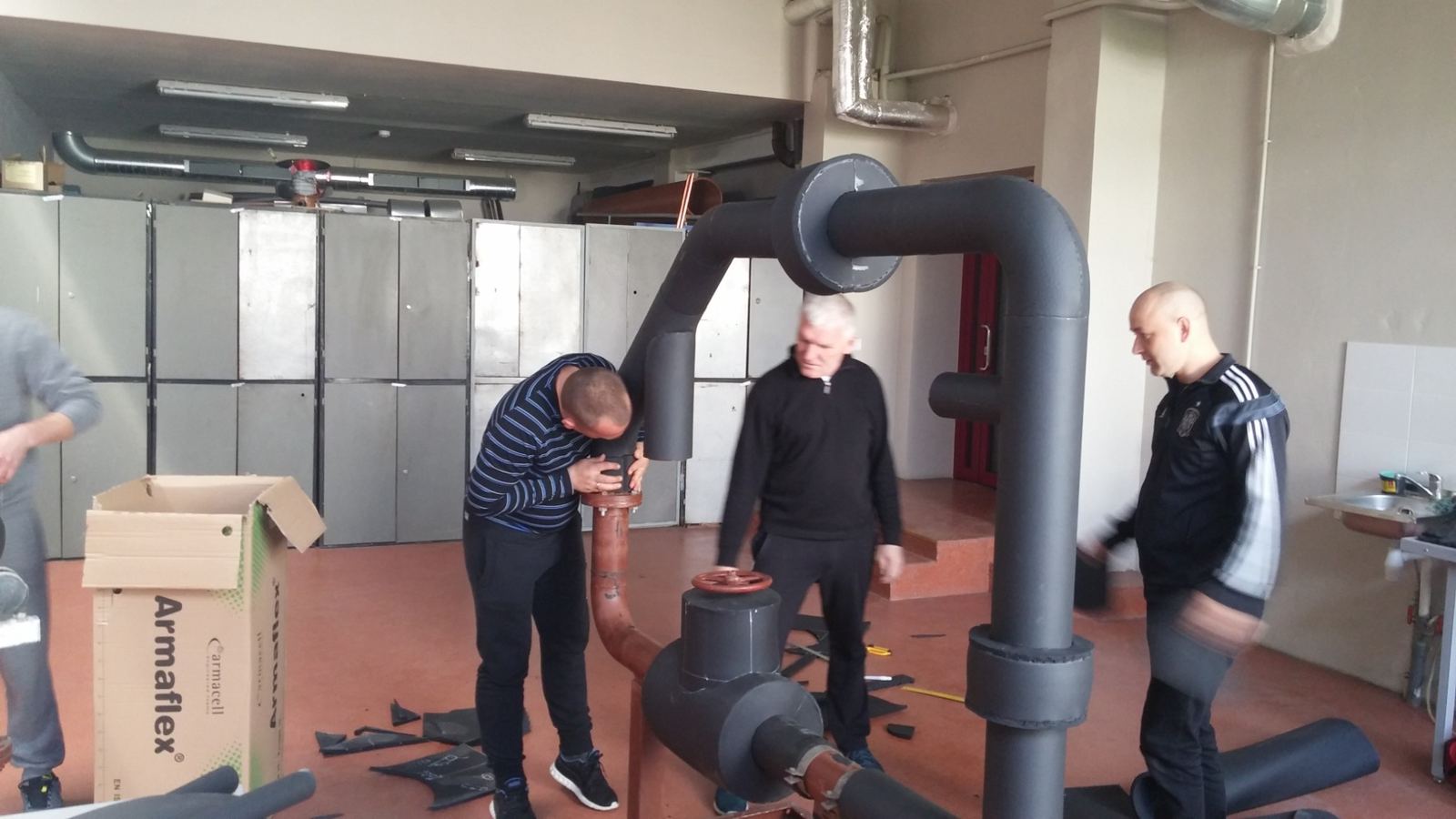
We carry out hot and cold insulation work, from straightforward Armaflex tubing to complex industrial pipework, fittings, removable sections and cladding. Tell us your scope, location and schedule so we can plan the work and prepare a quotation.
Discuss insulation workWe can prepare an IPS tailored to a company's equipment, operating conditions and applicable project standards. It sets out the approved insulation systems, materials, installation details, inspection points and repair requirements, together with supporting calculations and drawings as agreed for the project.
The result gives future maintenance teams a clear reference for what was specified and how repairs should be carried out. This reduces repeated decisions and saves time when later work is planned.
Ask about an IPSWe prepare practical work packages for companies: define the scope and sequence of activities, estimate labour hours and schedule, calculate insulation quantities and material requirements, and record technical references and inspection points. The pack helps teams order materials, plan access and carry out the work consistently.
See a sample job packFinal systems, quantities and IPS scope are agreed after review of verified project data and approved requirements.
Reference images supplied for the site: hands-on insulation practice, team training and an Armaflex service graphic.
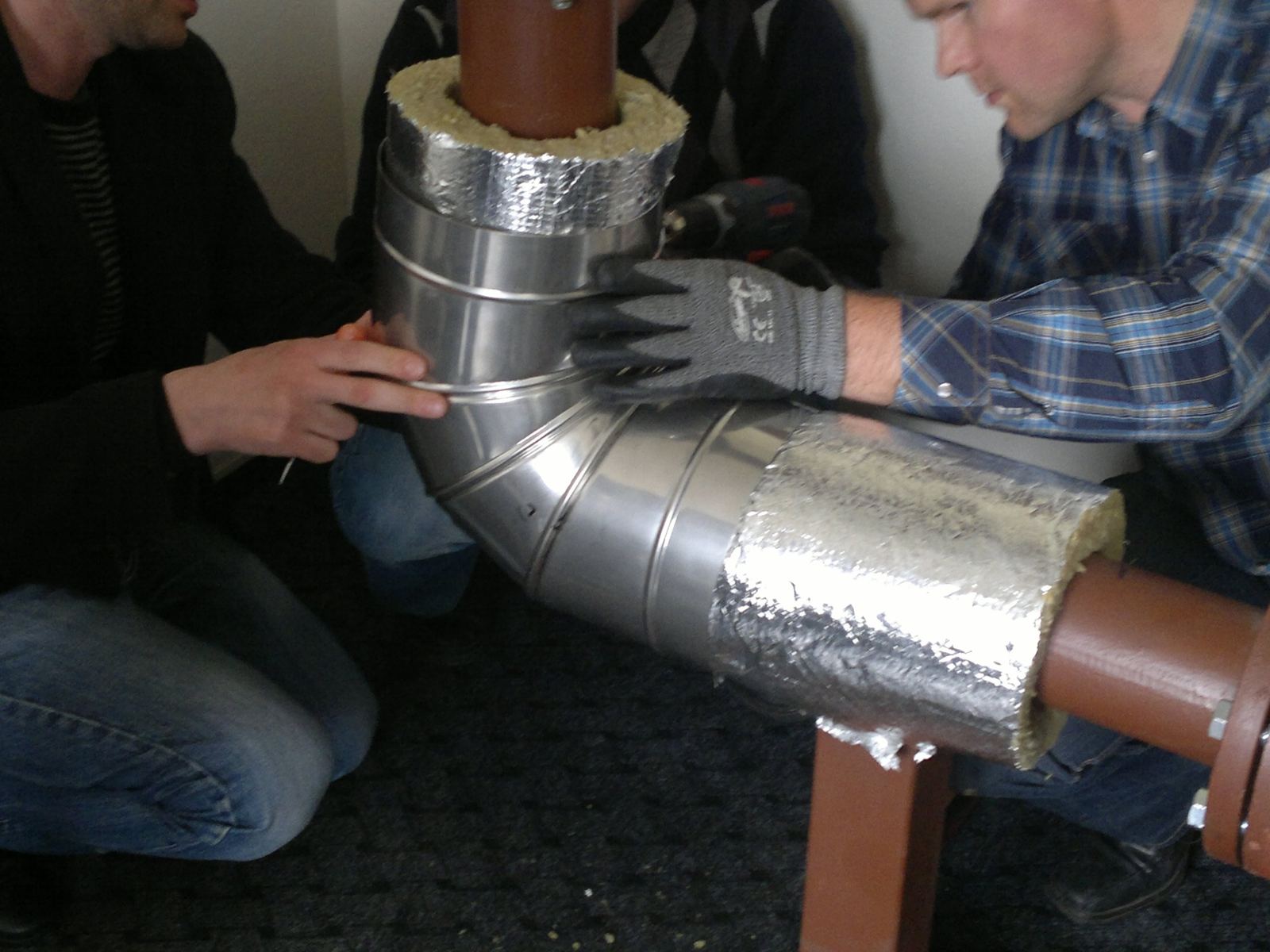
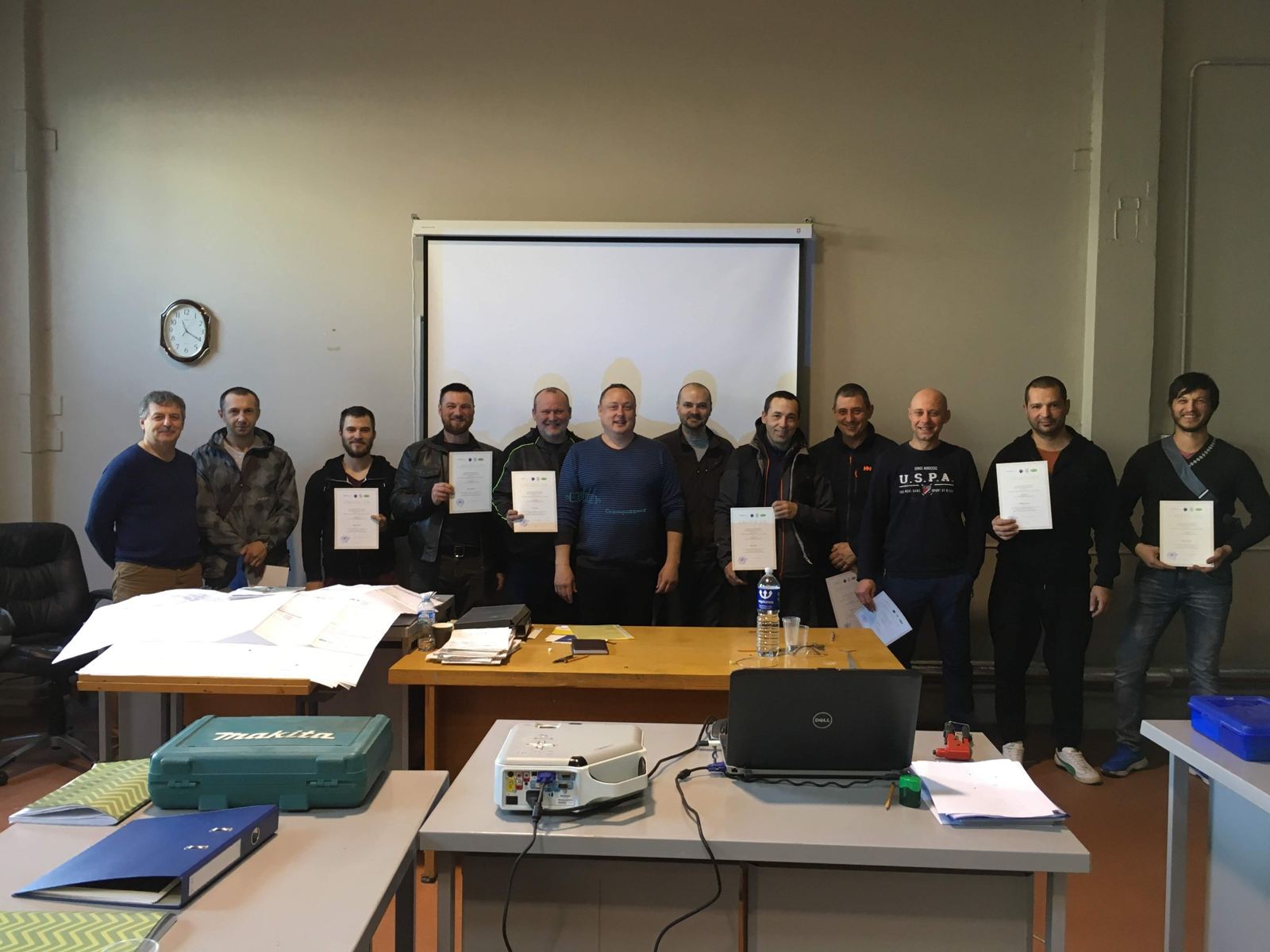
Learn hot and cold insulation classes through NORSOK M-004 and CINI, practise installations from complex details to Armaflex tubing and request a project readiness assessment.